Seaweed-based biostimulants are becoming an important part of modern agriculture as farmers look for effective ways to support healthy crop growth and improve overall plant performance. These formulations are derived from marine seaweeds and contain naturally occurring compounds that can support different stages of plant development.
Plants require proper nutrition, healthy roots, and favorable growing conditions to achieve good growth. However, environmental conditions such as heat, drought, and salinity can affect plant development. Seaweed-based biostimulants can be used as part of a crop management program to support plants during these conditions.
One important advantage of seaweed-based formulations is their role in supporting root development and vegetative growth. A healthy root system helps plants utilize available water and nutrients efficiently. Better vegetative growth can also contribute to stronger plant development throughout the crop cycle.
Seaweed extracts can also support important reproductive stages such as flowering and fruit setting. Proper crop development during these stages is important for achieving good-quality and marketable produce.
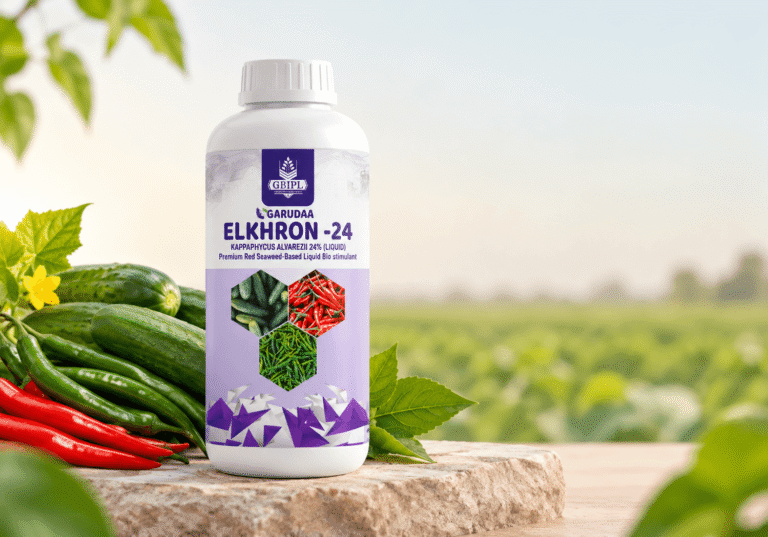
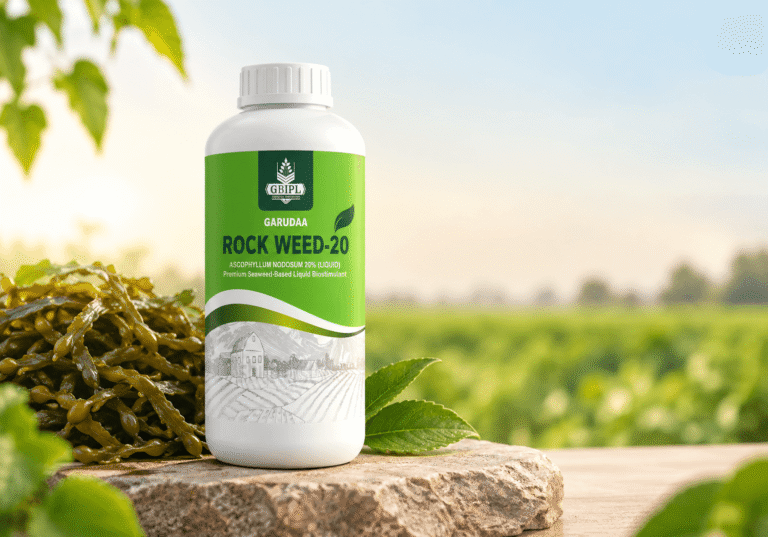
Different seaweed species can be used to develop agricultural biostimulants. For example, Ascophyllum nodosum is a brown marine seaweed commonly used in liquid biostimulant formulations. Kappaphycus alvarezii, a red marine seaweed, is another source used in agricultural products. Each formulation may have its own composition and recommended application.
Some modern products combine seaweed extracts with other ingredients such as humic acid, fulvic acid, amino acids, and vitamins. Such combinations are designed to provide broader support for plant growth, nutrient utilization, and crop vigor.
Application methods can include foliar spraying, drip irrigation, and fertigation, depending on the product and crop requirements. Following the recommended dosage and application schedule is important for obtaining the intended results.
Overall, seaweed-based biostimulants can be incorporated into an integrated crop management approach to support root development, nutrient utilization, flowering, fruit setting, crop quality, and overall plant vigor.
For farmers, choosing a formulation according to the crop, growth stage, application method, and product recommendations can help make biostimulants a useful component of modern crop management.